

Compliance software has become an essential requirement for businesses aiming to effectively manage risk, ensure regulatory adherence, and maintain operational efficiency. For an organization to manage complex regulations such as GDPR, SOX, and HIPAA, it has to go beyond manual efforts and implement robust compliance management systems that automate workflows, provide audit trails, and allow for real-time monitoring.
This comprehensive buyer’s guide will help you understand compliance software and RegTech solutions, what features to look for in the best compliance management platforms, and offer practical advice on comparing and selecting enterprise-grade tools. You’ll also gain insight on how to evaluate vendor offerings and pricing models, learn best practices for smooth integration and implementation, and explore emerging trends and innovations shaping compliance software.
Whether you’re handling audits, risk assessments, onboarding, or regulatory reporting, this guide helps you choose the right compliance software to protect your organization and keep up with regulatory changes.
What Are Compliance Software and Regulatory Technology Solutions?
Compliance software provides organizations with the necessary digital tools to meet legal and regulatory requirements efficiently. So, rather than depending on manual spreadsheets or disconnected systems, businesses use compliance management software to streamline workflow, track regulatory requirements, keep audit trails, automate reporting, and monitor risk in real time.
Regulatory Technology, also known as RegTech, is the use of advanced technologies to enhance the way organizations handle compliance, governance, and risk management. RegTech solutions frequently use automation, AI, machine learning, data analytics, and cloud computing to streamline intricate regulatory processes. It also allows organizations to respond swiftly and effectively to regulatory updates and increasing complexity. Therefore, RegTech not only saves time but also lowers the risk of human error, resulting in more precise compliance results.
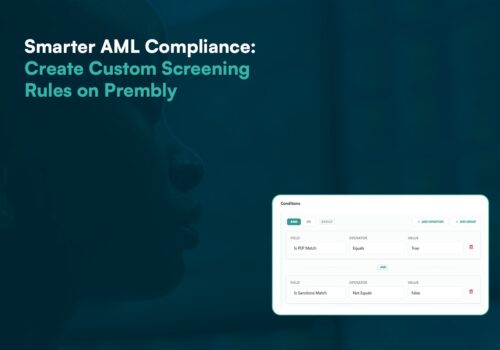
While compliance software manages daily compliance tasks, RegTech extends its capabilities to regulatory reporting, fraud detection, AML screening, know-your-customer (KYC) verification, and financial crime prevention.
Which Features Should You Look for in the Best Compliance Management Systems?
When selecting a compliance management system, it’s important to take into consideration several key features that determine how effective it will be. These features can significantly impact how well the software supports your organization’s compliance requirements.
- Automation Capabilities: Choose software that automates repetitive tasks like data entry and reporting to save time and minimize errors. Automation also facilitates real-time compliance monitoring, allowing organizations to remain consistently aligned with regulatory standards.
- User-Friendly Interface: An intuitive interface allows team members to navigate the software with ease, promoting higher adoption and more effective use. Therefore, a system with clear dashboards and customizable reporting options helps enhance visibility and enable teams to produce tailored reports for specific regulatory or audit needs.
- Integration Capabilities: The ability to integrate with existing tools like ERP or CRM platforms is essential for smooth data sharing and enhanced functionality. Integration is also necessary because it allows risk assessment and compliance tracking tools to work together, giving organizations a complete view of their compliance status and timely alerts of potential risks.
- Risk Assessment and Compliance Tracking: Advanced systems come with equipped systems that help detect and evaluate potential compliance risks within the organization. Continuous compliance tracking ensures adherence and sends alerts to address emerging risks before they escalate, enhancing risk management across the entire organization.
How to Compare and Select Enterprise Compliance Platforms?
Picking the right enterprise compliance platform requires a careful evaluation of several key factors to ensure it fits your organization’s unique regulatory and operational needs. When comparing different vendors, keep the following criteria in mind:
- Vendor Offerings: Assess the various features and services provided by each vendor. This means when evaluating vendor offerings ensure the platform meets your particular compliance needs, such as risk management, audit trails, reporting capabilities, and integration with existing systems.
- Pricing Models: Have a clear understanding of the pricing model, including subscription fees, implementation costs, and any additional hidden charges. This will assist you in determining the overall value and return on investment of the platform.
- Customer Support: Assess the level of customer support provided by the vendor, including onboarding, training resources, and ongoing technical assistance. Reliable support can make a significant difference in the seamless implementation and maintenance of the platform.
What Are the Best Implementation Practices to Adopt?
Integration capabilities are crucial for compliance software to operate seamlessly within your existing tech infrastructure. When implementing a new compliance platform, following best practices can help enhance its functionality and support continuous regulatory adherence:
- Conducting a Needs Assessment: Start by identifying your organization’s specific compliance needs and determining how the software can fulfill them. This ensures that the system aligns with your workflows and regulatory requirements.
- Training Staff: Providing comprehensive training to all your employees is essential for successful adoption. Staff who receive adequate training can fully leverage the platform’s features, enhancing compliance management and minimizing mistakes.
- Regular Updates and Maintenance: Keeping the software up to date is essential for staying compliant with evolving regulations and industry standards. This is important for preserving system security and optimal performance.
What Are Emerging Trends and Future Innovations in Compliance Software?
The compliance software industry is constantly changing due to new technologies and increasing regulatory demands. Being aware of these new trends is vital for organizations looking to remain competitive and fully compliant in this continuously shifting environment.
- AI-Driven Compliance Tools: Artificial intelligence is becoming a fundamental part of compliance software, boosting features such as advanced risk analysis, anomaly detection, and automated reporting to enhance accuracy and efficiency. It also allows you to seamlessly process large volumes of data, and when integrated into compliance processes, it helps the organization make informed decisions and lowers the chances of non-compliance.
- Cloud-Based Platforms: The increasing use of cloud-based compliance solutions provides organizations with greater flexibility and scalability, making it easier to adjust to evolving regulations and streamline compliance management. It helps organizations handle regulatory complexity by providing features that allow for quick updates and modifications.
- Increasing Regulatory Complexity: As regulations become more complex, compliance software needs to constantly adapt to effectively meet these challenges, enabling businesses to stay compliant while managing their operations effectively.
Investing in the right compliance management system allows your organization to meet regulatory demands confidently. Discover how Prembly’s compliance solutions help streamline your workflows and keep your business ahead of these changing regulations.