

 Misturat Alausa
Liveness detection is a biometric security measure that verifies whether the person presenting their face is a real, live individual rather than a photograph, video, mask, or other spoofing attempt. It is usually combined with facial recognition and identity verification to help businesses prevent impersonation and presentation attacks during digital onboarding.
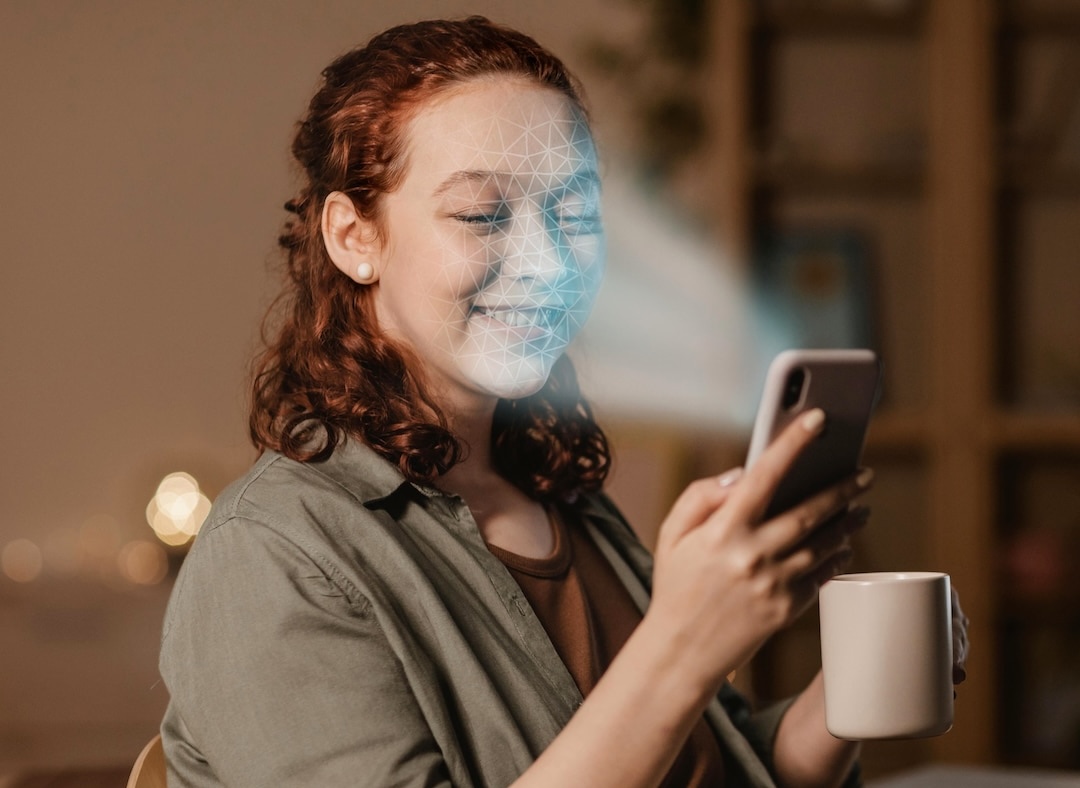
Active liveness detection requires users to complete a specific action, such as blinking, turning their head, or smiling, to confirm that they are physically present. Passive liveness detection, however, assesses facial characteristics and other biometric signals without requiring any user interaction.
The difference between active and passive liveness detection is essential because businesses need to balance security, user experience, and fraud prevention. Passive approaches require less user interaction, while active approaches can introduce an additional challenge that may help detect certain presentation attacks. The right approach depends on the technology and the types of attacks it is designed to identify.
As deepfakes, face swaps, replay attacks, and other forms of biometric fraud become more advanced, liveness detection for identity verification is becoming an important security consideration for financial institutions, fintechs, and other regulated businesses. This guide explains why liveness detection matters for fraud prevention, how active and passive liveness detection work, and which approach may fit regulated financial institutions.
Why Does Liveness Detection Matter for Fraud Prevention?
Liveness detection is a key layer of biometric identity verification because it helps determine whether the biometric sample belongs to a live person rather than coming from a photograph, video, mask, or other presentation attack. This is increasingly relevant as fraudsters use generative AI and other tools to create convincing synthetic identities, manipulated images, and deepfakes that can bypass basic identity verification checks.
Businesses that rely on remote onboarding, such as financial institutions, fintechs, and others, may find that simply matching a customer’s face to an identity document is not enough. A fraudster could use a stolen identity document with a manipulated image or other presentation attack to impersonate the legitimate identity holder. Liveness detection for fraud prevention can help prevent this by evaluating whether the person completing the biometric check is physically present during the verification process.
The risk also includes fraudulent identity documents. AI image generation and editing tools can make it easier to create or manipulate identity documents, making it necessary for businesses to combine document verification, facial biometrics, and liveness detection during digital onboarding. These controls work together to provide stronger assurance that the identity is genuine and that a real person is behind the verification.
As synthetic identity fraud, deepfakes, and other AI enabled attacks become more sophisticated, liveness detection can help businesses strengthen their identity verification and fraud prevention processes. However, it works best as part of a broader verification framework rather than as a standalone fraud control.
How Do Active and Passive Liveness Detection Work?
Active and passive liveness detection are two approaches used to determine whether a biometric sample belongs to a real person rather than a photograph, video, mask, or other presentation attack. While both approaches help verify human presence during biometric verification, the main difference is the amount of user interaction involved.
During active liveness detection, users are usually asked to perform a specific action during the verification, such as blinking, turning their head, smiling, or following another prompted movement. The system then analyzes the user’s response to determine whether the interaction appears to be coming from a live person. Because it relies on a user prompted action, active liveness detection adds an extra step to the verification process.
Passive liveness detection does not require users to perform a specific action. Rather, the system analyzes the captured image or video using signals such as facial texture, depth, movement, and other characteristics to determine whether the sample is genuine. This makes the verification process less dependent on deliberate user interaction.
The level of user interaction is the key difference between active vs. passive liveness detection. Active liveness requires a prompted response, while passive liveness conducts the assessment in the background. The most suitable approach depends on factors such as the level of risk, the verification environment, the type of biometric technology being used, and the balance between security and user experience.
Which Liveness Approach Fits Regulated Financial Institutions?
The appropriate liveness detection approach can vary across regulated financial institutions. The right method depends on factors such as the level of identity fraud risk, the type of customer journey, the required level of assurance, and how much interaction the business expects from customers during onboarding or authentication.
When choosing between active and passive liveness detection, regulated institutions should consider the balance between fraud prevention, verification accuracy, customer experience, and the level of assurance required. Businesses may also combine liveness detection with facial matching, document verification, and other identity signals to strengthen the overall verification process.