


 Misturat Alausa
Gig economy fraud is exposing a major gap in how on-demand delivery platforms verify driver identities. One growing risk is account renting, where a verified driver allows another individual to use their account to accept and complete deliveries.
TransUnion’s 2026 Gig Economy Worker Report found that 25% of gig workers surveyed had rented their accounts, while 20% had sold access to their accounts. The report also found that fewer than half of gig workers considered gig platforms’ identity verification processes highly effective.
The problem is that verifying a driver once during signup may not be enough to confirm who is using the account later. To reduce this risk, delivery platforms are increasingly using biometric identity verification, device intelligence, and ongoing identity checks to confirm that the person completing a delivery matches the driver originally verified.
This article explores the “rent-a-driver” loophole, why traditional onboarding checks can miss account sharing, the risks it creates for delivery platforms, and how continuous identity verification can help close the gap.
Why Does One Verified Account Hide Many Drivers?
A verified driver account does not necessarily mean that the person using it is the same individual who completed the original identity verification. When drivers rent or share their accounts, multiple people can operate under one verified profile, allowing unverified drivers to access delivery platforms without completing the required onboarding checks. This creates a significant gap in driver identity verification. A platform may verify a driver’s identity when the account is created, but without ongoing checks, the same verified profile can be used by someone else later.
The problem is not simply that an account is being shared. An unverified person may be using another driver’s identity, meaning the platform’s records no longer accurately reflect who is completing deliveries. Without ongoing identity checks, this gap can be difficult to detect.
How Do Rented Accounts Let Unverified Drivers Work?
An unverified person can complete deliveries or rides using another driver’s verified profile through a rented account. Although the person operating the account may not have completed the platform’s identity verification or background screening, they can still access the account’s delivery history, ratings, and other information that helped the original driver get approved. This creates an identity gap in the system because the account remains verified on paper even when the person using it has changed.
This issue can affect different types of gig work, including delivery and ride-hailing services. When identity verification stops at signup, platforms have limited visibility into whether the verified driver remains the person actively using the account.
Why Do Onboarding Checks Fail to Catch Swapped Drivers?
Most driver identity verification checks happen during onboarding. A driver submits identity documents, completes the required verification steps, and may undergo a background check before the platform approves the account. These checks establish that the applicant is eligible to work on the platform at the point of registration.
The challenge is that driver identity verification cannot end once onboarding is complete. This is because if another individual takes over the account, the original identity records and background screening results may still appear valid, even though the person completing deliveries has changed, thereby creating an identity fraud risk.
To address this gap, delivery platforms can integrate onboarding verification with ongoing identity verification. Biometric checks, device intelligence, behavioral signals, and periodic identity checks can help identify unusual changes in who is accessing an account and determine whether the person using the account matches the identity originally verified.
Read this article, Continuous KYC (cKYC): Why One-Time Verification Is No Longer Enough, to learn how continuous verification can help businesses maintain confidence in user identities beyond onboarding.
What Risk Do Shared Accounts Pose to Platforms?
Account sharing creates risks that extend beyond unauthorized access. It also raises concerns around customer safety, fraud prevention, worker accountability, and the accuracy of the platform’s records.
For customers, account sharing creates uncertainty about who is actually completing a delivery. A 2026 CBS News investigation found cases where customers received deliveries from people who did not match the profile photos shown in the app, highlighting the gap between the identity verified by the platform and the person actually completing the delivery. For the legitimate account holder, shared access can lead to disputes, account penalties, or reputational damage if the person using the account violates platform policies.
Platforms also risk relying on information that no longer reflects the person actually using the account. Background screening, driver ratings, identity records, and safety checks are tied to the verified worker, not necessarily the person currently performing the job. This can make it harder for risk teams to investigate incidents, identify driver identity fraud, and determine who was responsible for a delivery.
At scale, gig economy fraud can create operational and compliance concerns for delivery platforms. Platforms need reliable identity data to enforce safety policies, investigate suspicious activity, and maintain trust across their delivery networks.
Is Account Sharing a Form of Identity Fraud?
Yes. Account sharing can function as a form of identity fraud when someone uses another person’s verified profile to perform paid work. The issue is not simply unauthorized account access. The platform’s records identify one person, while a different individual is actually providing the service. This creates an identity verification gap because the person using the account may not have completed the platform’s onboarding requirements, identity checks, or background screening. This makes it difficult to establish who actually completed a delivery or was involved in an incident.
For delivery platforms, this can weaken fraud detection, driver verification, and accountability. If account sharing goes undetected, important records such as delivery history, ratings, safety incidents, and payment activity may be attributed to the wrong individual.
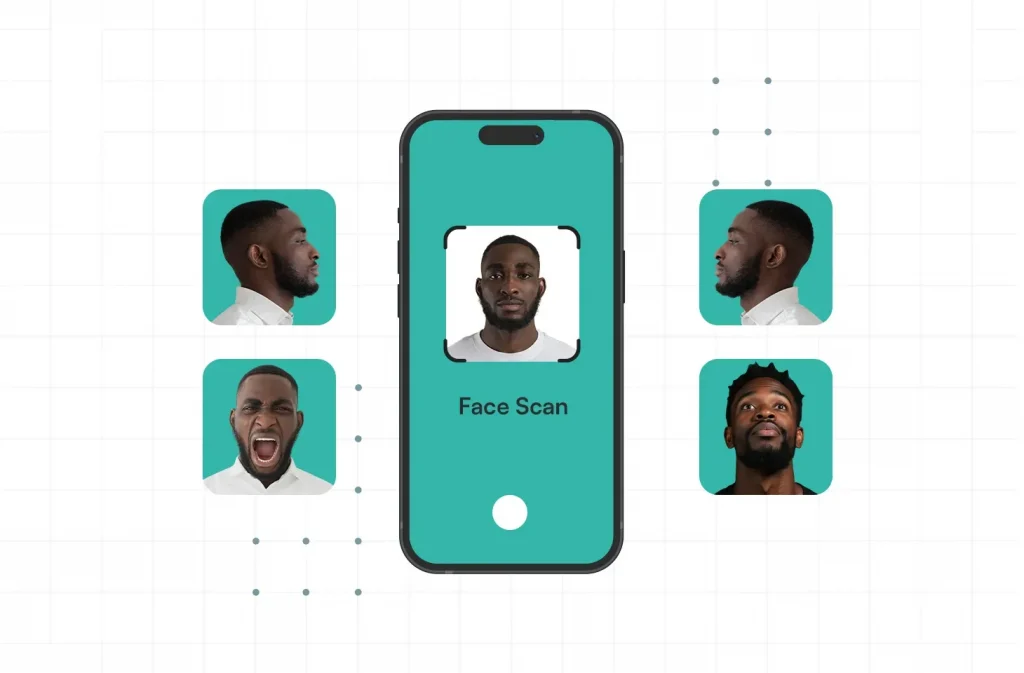
What Role Does Biometric Technology Play in Stopping Gig Fraud?
Biometric identity verification adds an extra layer of protection after a driver has passed onboarding. Instead of relying only on account credentials, platforms can use biometric checks such as facial recognition and selfie verification to confirm that the person accessing an account matches the identity originally verified.
For delivery and ride hailing platforms, this helps address driver account sharing and identity fraud. Platforms can request a selfie or biometric check when a driver logs in, before starting work, or when certain activity triggers additional verification. This makes it harder for an unverified person to continue operating under another driver’s account.
Biometric verification can also be combined with liveness detection, device intelligence, and behavioral signals to help platforms identify suspicious changes in who is using an account and determine when another verification check is needed.
The goal is not to verify a driver’s identity once and forget about it. Ongoing identity verification helps platforms maintain confidence that the person completing a delivery is the same individual who passed the original screening. This makes biometric technology an important tool for gig economy fraud detection and prevention.
For a deeper look at how biometric checks support identity and fraud prevention, read this article on Biometric KYC Checks: The Key to Enhanced ID Fraud Detection