

 Misturat Alausa
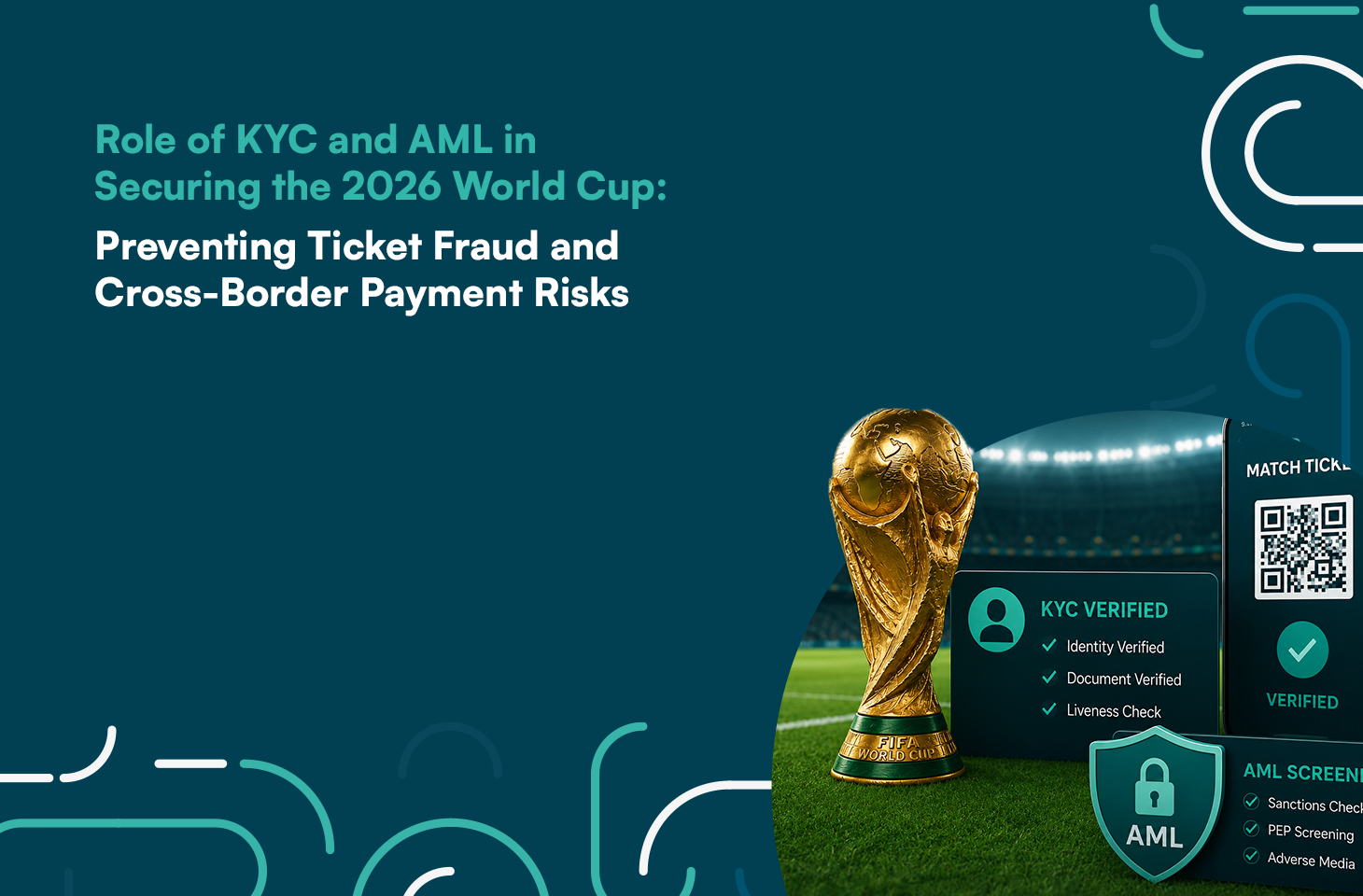
The 2026 FIFA World Cup, which is one of the most anticipated sporting events in the world, not only showcases the athletic prowess of the players but also highlights the remarkable advancements in digital security infrastructure. The event draws millions of fans globally and requires robust mechanisms to prevent ticket fraud and ensure secure cross-border payments. This is where Know Your Customer (KYC) and Anti-Money Laundering (AML) protocols come into play as key components in securing fan experiences. They help ensure that ticket sales, cross-border payments, and fan onboarding processes are protected from fraud while still keeping the process fast and easy for genuine users.
This article explores how KYC and AML frameworks support the integrity of the 2026 World Cup experience by strengthening identity verification, securing international payment flows, and enabling trusted digital access at scale. It explains how these systems operate in practice across ticketing platforms and global transactions and why they are essential to delivering a secure yet seamless experience for fans worldwide.
How Do KYC and AML Protocols Prevent Ticket Fraud at the 2026 World Cup?
KYC (Know Your Customer) and AML (Anti-Money Laundering) protocols are crucial in reducing ticket fraud at major events like the 2026 FIFA World Cup, where demand is high and transactions happen globally in real time. The identities of fans purchasing tickets can be verified through KYC processes, which ensures that buyers are legitimate and reduces the risk of fake accounts, bot-driven purchases, and identity misuse. By linking ticket purchases to verified identities, event organizers and ticketing platforms can significantly limit fraudulent resale activity and unauthorized distribution.
This process is supported by AML measures, which help track payment activity for unusual or suspicious behavior, such as rapid high-value transactions, multiple purchases from flagged sources, or patterns linked to fraud networks. This helps detect and block illicit financial activity before it can affect fans or platforms. Together, KYC and AML form a layered security framework that safeguards both consumers and legitimate tickets. At a global event like the World Cup, where millions of transactions take place across multiple countries in a short time, these safeguards are essential for maintaining trust, reducing fraud, and ensuring a smooth and secure ticketing experience.
What Are the Key Cross-Border Payment Risks and AML Compliance Measures for Global Fans?
Cross-border payments are a core part of the World Cup fan experience because millions of supporters worldwide purchase tickets, book accommodation, and complete travel-related transactions in multiple currencies. Although this creates a seamless global experience, it also brings several risks that need to be carefully managed.
One of the major challenges that arises is the complexity of transactions across multiple jurisdictions, because differences in regulations, banking systems, and currencies can lead to delays, failed payments, or higher processing costs. Fans may also encounter issues such as fraud attempts, unauthorized payment channels, and inconsistent verification standards across platforms. AML compliance measures help mitigate these risks by ensuring that international transactions are properly screened and monitored.
When these systems are integrated, they help identify unusual payment patterns, flag high-risk activity, and ensure that funds moving across borders are legitimate and traceable. By doing this, they protect both fans and service providers from financial crime while maintaining smooth payment flows. Ultimately, robust AML frameworks make it possible for global fans to participate confidently in a unified digital ticketing and travel ecosystem, ensuring that cross-border payments remain fast, secure, and compliant at scale.
Which Identity Verification Technologies Secure Digital Ticketing for the 2026 World Cup?
Identity verification technologies are crucial for securing digital ticketing systems for global events like the 2026 FIFA World Cup, where millions of fans will access tickets and stadiums through fully digital platforms. Although implementations may differ across platforms and host countries, these systems are built around a combination of secure authentication, fraud detection, and digital identity validation.
A key component is account-based verification, which requires fans to register on official ticketing platforms with verified personal details before they can purchase tickets. Putting this in place helps to create a controlled environment that limits bot-driven purchases and fake accounts.
Another vital component is mobile-based digital tickets and QR code authentication, which are widely used to validate entry at stadiums. Each ticket is tied to a unique digital identifier that can be scanned and verified in real time, helping to prevent duplication or unauthorized resale.
Additionally, payment authentication systems and fraud detection tools used by banks and payment providers help verify that ticket purchases are legitimate, lowering the risk of stolen cards and suspicious transactions.
Together, these technologies form a layered verification system that supports secure, large-scale ticket distribution while maintaining a smooth experience for millions of fans worldwide attending the tournament.
As the 2026 FIFA World Cup becomes more digital, the systems behind ticketing, payments, and fan access go beyond fraud prevention to enable a seamless global experience built on trust. KYC, AML, and modern identity verification technologies work behind-the-scenes to ensure that millions of cross-border transactions and movements happen securely and without disruption.
For organizers and businesses managing large-scale events, the takeaway is clear: secure, compliant, and scalable identity and payment infrastructure is no longer optional but essential.
If you’re planning a major event or managing high-volume digital transactions, platforms like Prembly offer the identity verification and compliance tools needed to deliver safe, seamless, and globally accessible experiences from start to finish.