

 Misturat Alausa
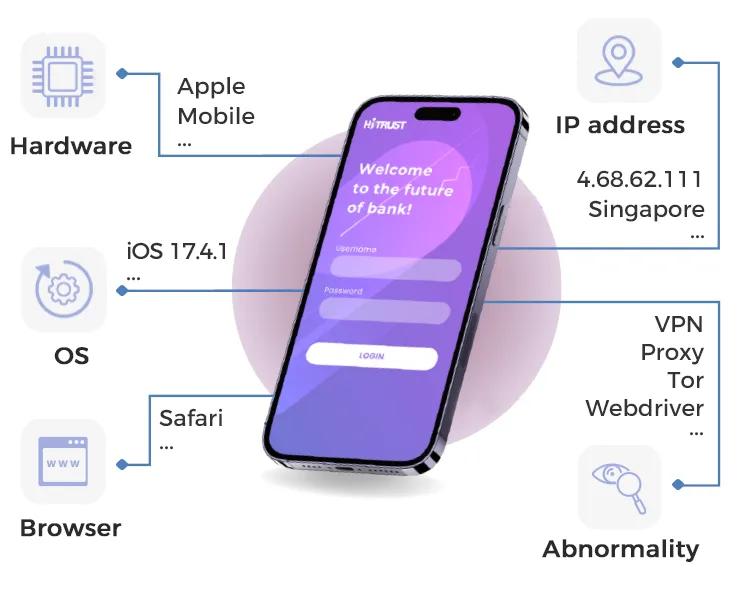
Device fingerprinting is a fraud detection method that uses a combination of device, browser, and network signals to identify and recognize devices. These signals may include browser type, operating system, screen characteristics, IP address, and other technical attributes. When combined, they can help fraud teams spot unusual device activity and patterns that may indicate account takeover, automated attacks, or other suspicious behavior.
Device fingerprinting is different from traditional identity verification because it focuses on the device and its activity rather than the identity of the user alone. This makes it a useful layer within a broader fraud prevention strategy, especially when businesses need to assess risk across login, onboarding, and transaction activity.
However, device fingerprinting is most effective when combined with other fraud signals. Identity verification, behavioral analysis, transaction monitoring, IP intelligence, and device intelligence can provide additional context for determining whether an activity is legitimate or suspicious.
This guide explains what device fingerprinting is, what businesses should consider before implementing it, how device intelligence can fit into a broader fraud prevention pipeline, and how teams can manage limitations such as changing or weakened device signals.
What Is Device Fingerprinting?
Device fingerprinting is a fraud detection technique that collects and analyzes a combination of technical signals from a device and its browser to create a recognizable device profile. The signals collected may include browser type and version, operating system, screen resolution, device configuration, IP address, language settings, and other characteristics, which are then combined to create a device fingerprint that can help assess whether activity is legitimate or potentially suspicious. For example, a fraud prevention system may identify a device that is linked with multiple accounts, unusual login activity, or patterns that are usually associated with fraudulent behavior.
It does not establish who a person is like identity verification but instead provides additional context about the device being used. When integrated with identity data, behavioral signals, IP intelligence, transaction activity, and other fraud detection methods, device intelligence can help businesses create a more complete picture of user risk. This makes device fingerprinting particularly useful across digital onboarding, account login, payment activity, and other transactions where businesses need to distinguish legitimate users from potentially fraudulent activity.
However, device fingerprints are not permanent or infallible. Browser changes, operating system updates, privacy controls, device resets, and other technical changes can alter the signals collected. For this reason, device fingerprinting for fraud prevention is generally most effective as one layer within a broader fraud detection and risk management strategy.
What Prerequisites Are Needed Before Implementing Device Fingerprinting?
Before implementing device fingerprinting for fraud prevention, businesses need to have a clear strategy for collecting, processing, and interpreting device signals. A device fingerprint is created by combining multiple technical attributes that can help distinguish one device from another. If the data used is incomplete, inconsistent, or poorly managed, the fingerprint may provide limited value for fraud detection.
A device fingerprinting setup may collect signals across several areas, such as:
- Browser configuration: Browser type, version, language settings, and other browser characteristics.
- Hardware specifications: Available details about the device and its hardware configuration.
- Operating system parameters: Operating system type, version, and relevant system characteristics.
- Network attributes: IP address and other network related information that can provide additional context about the connection.
Together, these signals contribute to device intelligence, which provides fraud teams with additional context when evaluating suspicious logins, account activity, onboarding attempts, or transactions. However, device fingerprinting should not be used as a standalone indicator of fraud. This is because browser updates, device changes, privacy controls, and other technical factors can affect the signals collected, making it important for businesses to combine device data with identity verification, behavioral signals, IP intelligence, and transaction activity when assessing risk.
How Do You Build a Device Intelligence Pipeline?
Building a device intelligence pipeline involves collecting device signals, generating a device fingerprint, analyzing activity, and combining those signals with other sources of risk information. The objective is not simply to identify each device, but to turn device data into useful context that can support fraud detection and risk assessment throughout the customer journey.
A practical device intelligence pipeline can follow these stages:
- Capture device signals: Gather relevant browser, hardware, operating system, and network attributes during key activities like onboarding, login, and transactions.
- Generate the device fingerprint: Combine the collected signals to create a device fingerprint that can help recognize devices and identify changes or unusual patterns across sessions. Since device characteristics can change over time, businesses should account for variations rather than treating the fingerprint as a permanent identifier.
- Connect device data with other risk signals: Device intelligence becomes more valuable when paired with identity verification, behavioral data, IP intelligence, transaction information, and account history. These connections provide additional context for determining whether activity is legitimate or suspicious.
- Apply risk rules and detect patterns: Configure rules to flag activity that may require further investigation, such as multiple accounts linked to the same device, unusual login behavior, rapid changes in device characteristics, or other patterns that may indicate potential fraud.
- Layer device intelligence into onboarding and ongoing monitoring: Integrate device signals into relevant customer journeys, including digital onboarding, account access, and transactions. Combining device fingerprinting for fraud prevention with identity verification and broader fraud monitoring can help businesses assess risk at multiple stages rather than depending on a single fraud signal.
For regulated businesses, device intelligence can also support KYC and AML compliance processes by providing additional behavioral and technical context. While it does not replace identity verification, transaction monitoring, or other AML controls, it can contribute to a broader risk based approach to fraud prevention.
How Do You Troubleshoot Weak Fingerprinting Signals?
A device fingerprint becoming inconsistent may be due to changes in the device environment, reduced signal availability, or how these signals are interpreted. Browser updates, privacy settings, network changes, device resets, or cleared caches can affect fingerprint consistency. However, clearing cookies or performing a factory reset does not necessarily make a device completely unrecognizable because device fingerprinting can use multiple technical signals beyond stored identifiers, though these changes to the device can still affect recognition.
- Checking for changes in the device environment: Determine whether browser updates, operating system changes, privacy settings, or device resets have affected the available signals.
- Reviewing fingerprint match quality: Check for unmatched devices, inconsistent fingerprints, or unexpected changes in device associations that may indicate reduced signal quality.
- Adjusting how fingerprints are interpreted: Use fingerprints as a risk signal rather than a permanent device identity. Detection rules should account for legitimate changes while still identifying unusual patterns.
- Using additional fraud signals when needed: When fingerprint data is unclear, account behavior, identity information, IP intelligence, and transaction activity can provide more context for assessing risk.
Regularly reviewing fingerprint quality helps businesses maintain reliable device fingerprinting for fraud prevention as device environments and privacy technologies change.
Looking for more insights on fraud prevention, identity verification, and compliance? Visit Prembly Insights for more practical guides.