


 Misturat Alausa
The Prembly Fraud Intelligence Summit 2026, held on July 23, 2026, in collaboration with MTN Nigeria, brought together leaders and experts from financial services, technology, telecommunications, regulation, and compliance to address the growing complexity of fraud and explore stronger ways to protect Africa’s digital ecosystem.
The summit which was conducted under the theme “Collaboration Over Competition: Building an Anti-Fraud Ecosystem,” focused on a growing concern: Fraud is becoming increasingly AI-enabled and borderless, exploiting weaknesses in KYC verification, using duplicate identities, and spoofing locations through VPN abuse.
The conversation highlighted that no single institution can effectively solve this threat alone. Instead, real-time, cross-sector data sharing among financial institutions, fintechs, telecommunications companies, and regulators is the only sustainable defense.
The discussions further emphasized the need to reduce the current fraud-resolution timeline, which can take 30 minutes to an hour, through a real-time, shared fraud intelligence network.
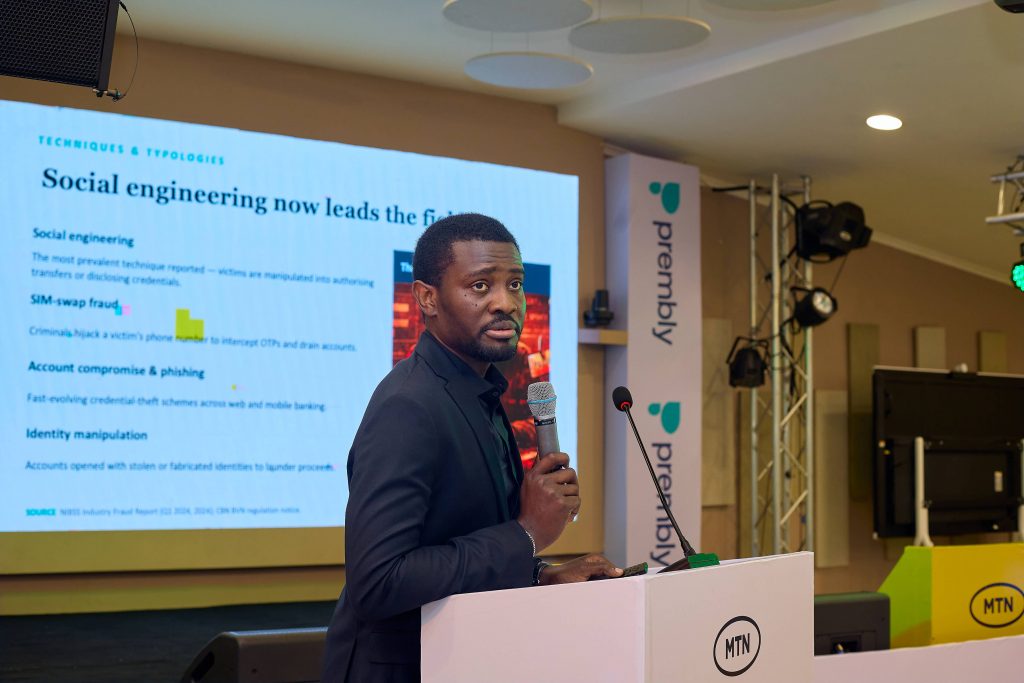
Opening the summit, Lanre Ogungbe, CEO of Prembly, highlighted the growing sophistication of identity fraud and the limitations of relying solely on traditional KYC and identity verification processes.
He noted that fraudsters are increasingly finding ways to circumvent verification systems using different identities and documents, highlighting tactics such as identical twins presenting reversed identities during onboarding to bypass standard checks.
According to Ogungbe, similar fraud patterns and tactics are evident across Nigeria, Brazil, and Indonesia, indicating a shared, transferable playbook among fraud networks rather than isolated, market-specific behavior.
A central point in his opening remarks was the need to prevent fraudsters from exploiting the same vulnerabilities across multiple institutions. As he emphasized, an individual who is able to break one system should not be able to use the same method to break into other systems and repeat the crime, highlighting the need for cross-institutional fraud intelligence sharing.
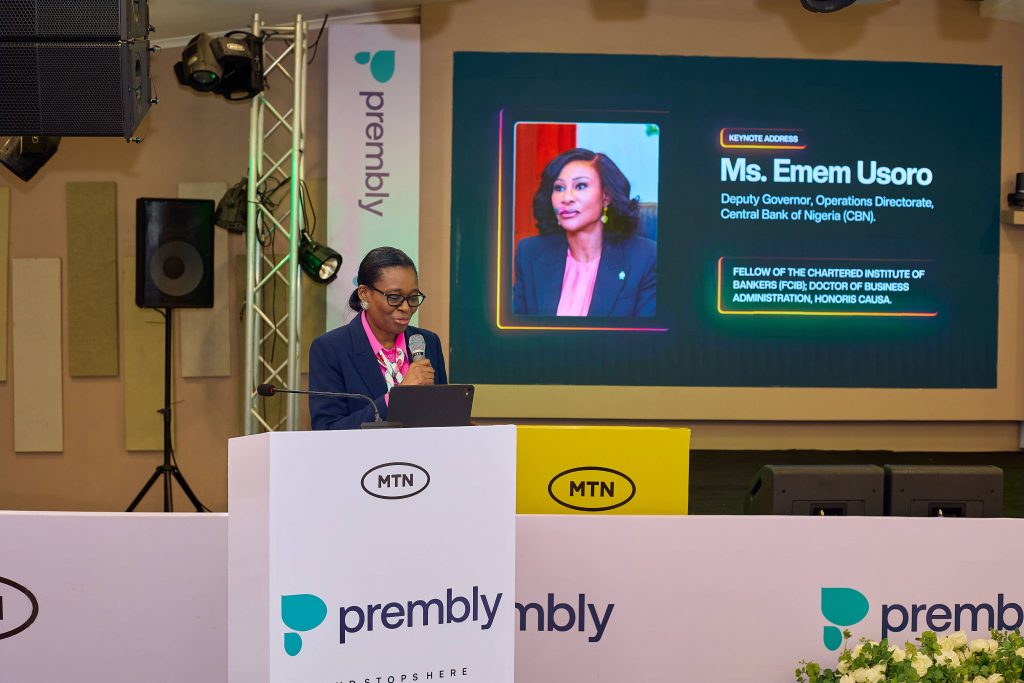
The keynote address was delivered by Omoyemen Jide-Samuel, Director, Information Technology, Central Bank of Nigeria, on behalf of Emem Usoro, Deputy Governor, Operations, Central Bank of Nigeria.
Jide-Samuel highlighted how the growing use of artificial intelligence (AI) is contributing to a rise in fraud across the financial sector. She emphasized that fraud extends beyond institutional and national boundaries, making collaboration essential to addressing the evolving threat. She also noted that fraud poses a direct risk to business continuity for financial institutions, reinforcing the need for stronger and more coordinated approaches to fraud prevention.
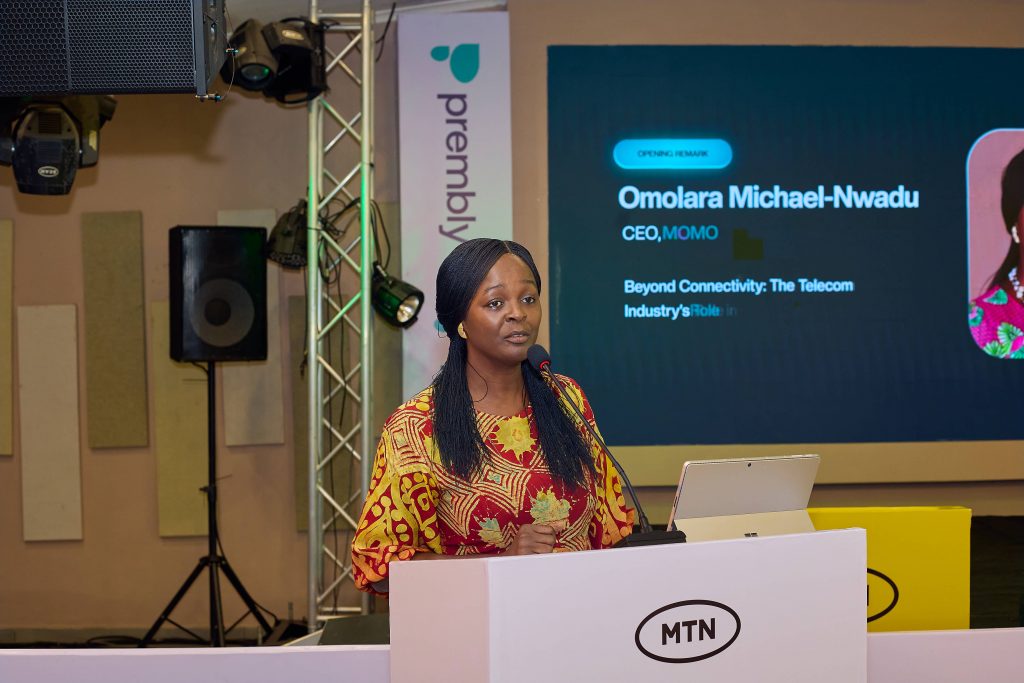
Speaking on the role of telecommunications in fraud prevention, Omolara Michael-Nwadu, CEO of MTN MoMo, highlighted the evolving responsibilities of telecom companies in protecting the digital ecosystem.
She noted that MTN has evolved beyond its traditional role as a telecommunications provider into a technology company, expanding its responsibility within the fraud ecosystem. With millions of voice notes, calls, and messages passing through its network, she stressed the need to scrutinize these channels for potential fraud risks.
She further highlighted that as fraudsters become more sophisticated in exploiting connectivity infrastructure, MTN’s connectivity services and MoMo’s fintech capabilities can serve as complementary pillars in strengthening digital trust and protecting the digital ecosystem, with digital inclusion remaining a key goal.
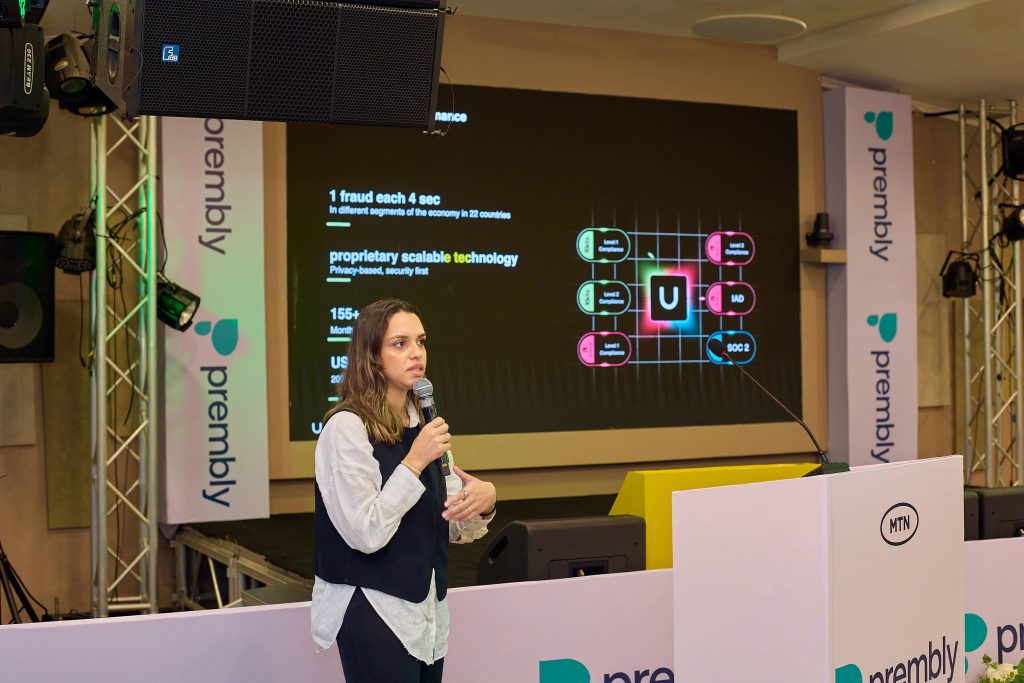
Naiara Nascimento, Prembly Associate (UNICO Brazil), highlighted emerging approaches to identity verification, including human tokenization, as organizations seek to strengthen their defenses against increasingly sophisticated fraud.
She also noted key challenges affecting the fraud ecosystem, including compromised database collection, identity theft, serial fraudsters operating across multiple institutions, and spoofing techniques such as location spoofing.
The discussion further underscored the need to address account farming and other organized patterns of abuse that enable fraudsters to scale their activities across digital platforms.

The executive panel brought together leaders from across the technology, financial services, and telecommunications sectors to discuss the importance of breaking down silos in the fight against fraud.
The conversation was moderated by Niyi Adegboye, COO of Prembly, alongside Patrick Nri, Divisional Head, Platform Management & Coordination, and Mr. Akinbulejo Onabolu, Head of Public Sector & Large Enterprise, MTN.
The conversation explored key challenges and opportunities across the regulatory, fintech and banking, and enterprise sectors, with a focus on strengthening collaboration and building more effective approaches to fraud prevention across the ecosystem.
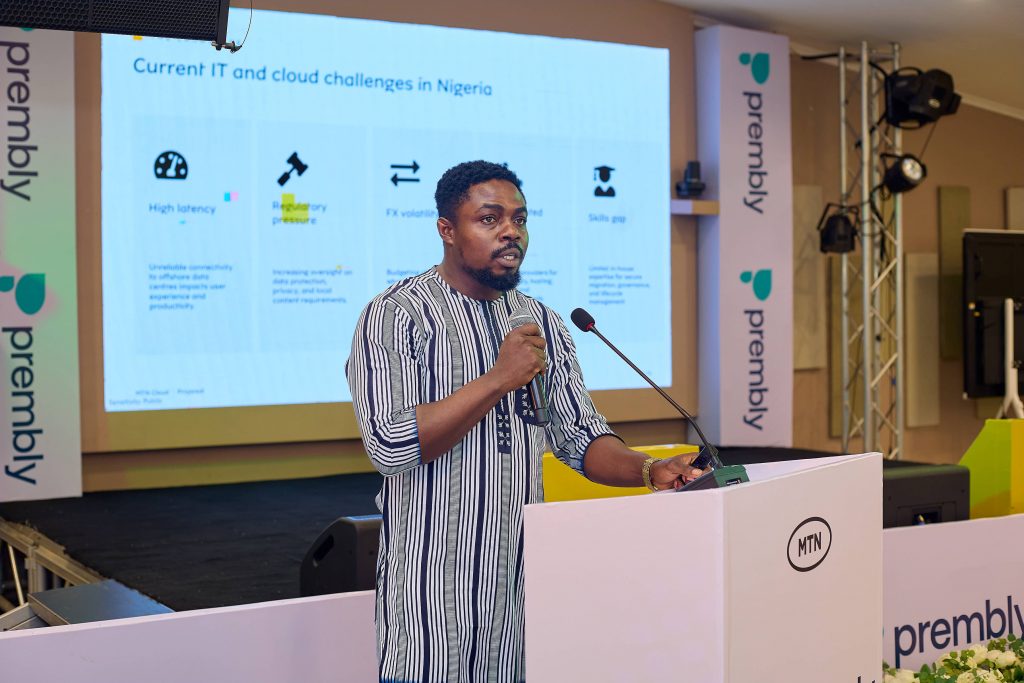
The summit concluded with an IT and Cloud Panel presented by Collins Agu, Cloud and Security Manager, MTN, which explored how cloud infrastructure can support digital transformation while addressing the challenges facing organizations across the ecosystem.
The session examined key challenges, including regulatory pressures around cloud and data infrastructure, foreign exchange volatility affecting cloud service costs, and fragmented technology stacks across institutions. It also examined the value of local infrastructure, low-latency services, local-currency pricing, data sovereignty, and managed services.
The session reinforced the importance of building resilient and locally supported technology infrastructure to strengthen digital trust and address evolving fraud threats.
The summit ultimately underscored a central message: combating increasingly sophisticated fraud requires collaboration among regulators, institutions, industries, and across borders. Through stronger information sharing, innovative technology, and trusted digital infrastructure, stakeholders can build a more connected and resilient anti-fraud ecosystem.